Confidence is a word that gets used a lot in healthcare but rarely is it built as deliberately, or as thoughtfully, as it is at The Wayfinding Centre.
Based in Glasnevin, Dublin, The Wayfinding Centre is part of Vision Ireland Services, and it exists to close a gap most of us never have to think about: the gap between knowing, in theory, how to use public transport, and actually feeling ready to do it. The numbers explain why that gap matters. An estimated 1.1 million people in Ireland live with a disability, yet only around 6% use public transport on a daily basis. That’s not a lack of desire, it’s a lack of opportunity to practise safely, before the stakes are real.
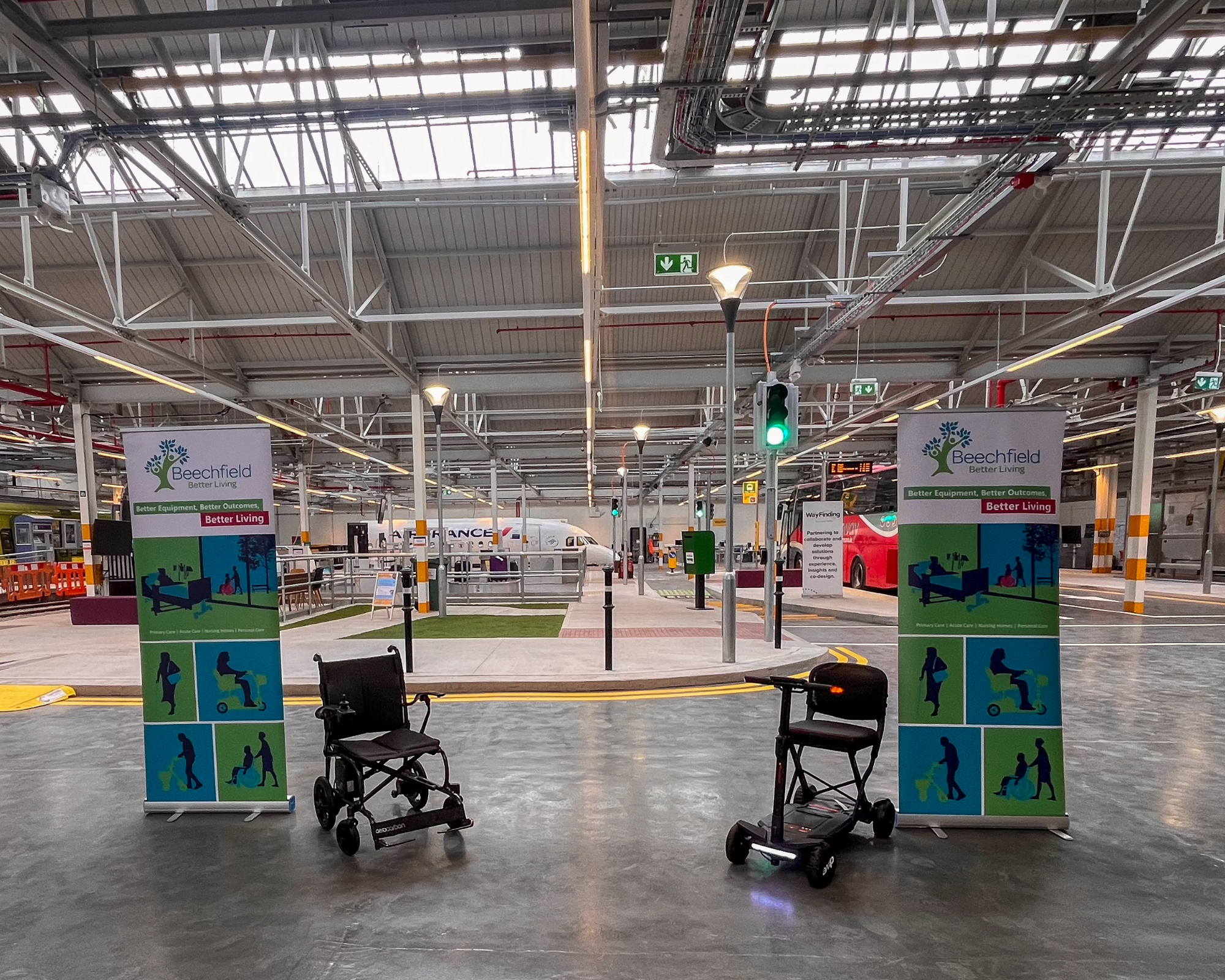
The Wayfinding Centre closes that gap in a genuinely unique way. Spread across roughly 31,000 square feet in a converted industrial building on Botanic Road, the Centre houses full-scale replicas of the journeys people actually have to navigate: a DART carriage, a Luas carriage and platform, a double-decker bus, a Bus Éireann coach, a wheelchair-accessible taxi, and even the forward section of an aircraft fuselage complete with airport security infrastructure. There’s a streetscape too, built to replicate the lighting, acoustics, and everyday hazards of a real Dublin street. It means someone can practise boarding a bus, navigating airport security, or crossing a busy junction, again and again, in a safe, controlled setting, until it stops feeling like a leap and starts feeling like something they’ve already done.
It’s not just about the hardware, either. The Centre has been designed with the whole person in mind, with a Changing Places facility, a quiet room for sensory regulation, dog relief areas for assistance animals, and ASPIRE, a living lab space where researchers, designers, and people with disabilities co-design better solutions together. Training Coordinators and Transport & Mobility Specialists work alongside service users day to day, and the Centre also serves as a resource for the transport staff, architects, and policymakers who need to understand accessibility from the inside out, not just from a checklist.
It’s a simple idea with a powerful outcome: independence doesn’t happen by accident. It’s built, step by step, through repeated practice, patient instruction, and the right support at the right moment.
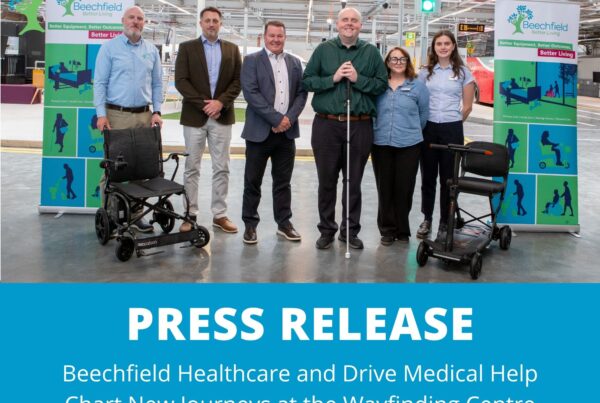
That’s part of why we were so glad to support their work with a donation of AeroCarbon mobility devices (a powerchair and a mobility scooter) earlier this month. Confidence-building training only works if the equipment behind it is reliable and properly understood, which is why our Area Rep, Michael Healy, didn’t just drop the devices off, he spent time on-site training the Wayfinding Centre team on how to use them safely and effectively. But the equipment is really just a tool. The real work happens in the training sessions, the small wins, and the everyday journeys – a bus stop, a security queue, a train platform – that become possible because someone had the chance to practise first.
If you haven’t come across The Wayfinding Centre’s work before, it’s well worth a look. It’s the first facility of its kind anywhere in the world, and it’s happening right here in Dublin. Organisations like this are quietly transforming what independence looks like for people with access requirements, and we’re proud to play even a small part in supporting it.